How Technology is Driving Sustainability
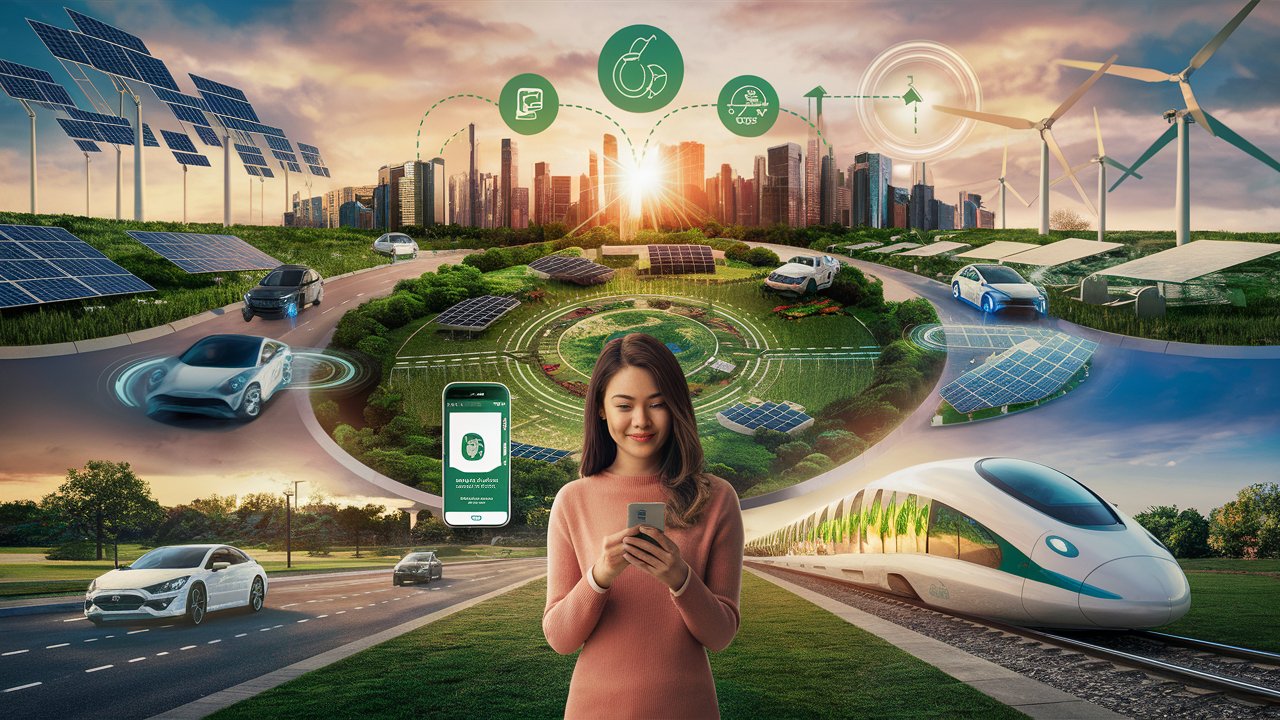
In the face of global environmental challenges, technology is emerging as a powerful ally in the quest for sustainability. Innovations in various fields are driving efforts to reduce our ecological footprint, promote renewable energy, and create a more sustainable future. This blog post explores how technology is making a significant impact on sustainability across different sectors.
1. Renewable Energy
One of the most critical areas where technology is driving sustainability is in the production and consumption of energy. Renewable energy technologies such as solar, wind, and hydropower are at the forefront of this transformation.
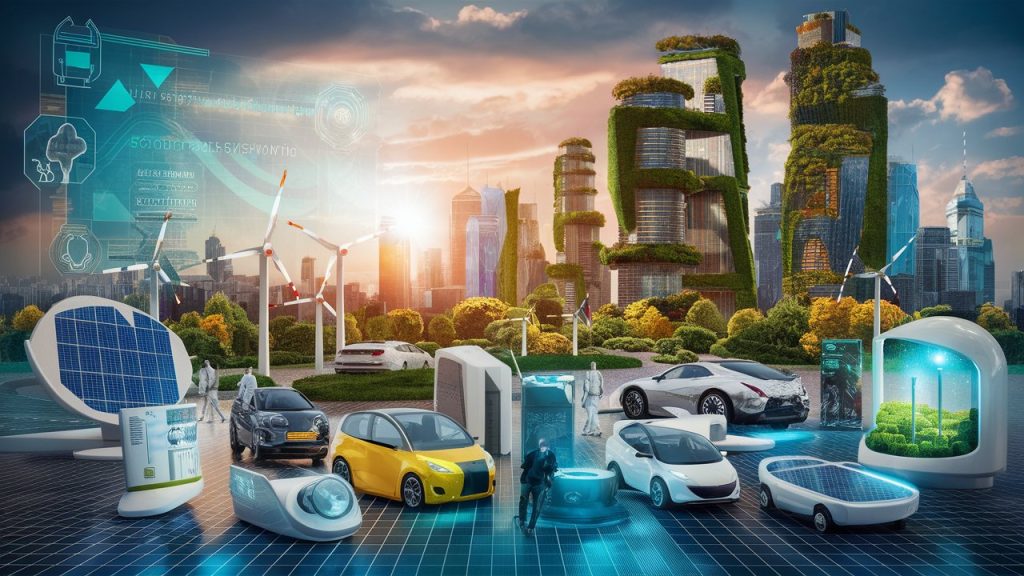
- Solar Power: Advances in photovoltaic technology have made solar panels more efficient and affordable. Innovations like solar tiles and transparent solar panels are expanding the potential applications of solar energy, making it possible to integrate solar power into buildings and everyday objects.
- Wind Energy: Wind turbines are becoming more efficient thanks to improvements in materials and design. Offshore wind farms are tapping into strong, consistent winds at sea, generating significant amounts of renewable energy.
- Energy Storage: The development of advanced battery technologies, such as lithium-ion and solid-state batteries, is crucial for storing renewable energy. These batteries ensure a stable supply of power even when the sun isn’t shining or the wind isn’t blowing.
2. Smart Grids
Smart grid technology is transforming how we distribute and consume energy. By using digital communication technology, smart grids can monitor and manage energy flows more efficiently, reducing waste and optimizing energy use.
- Demand Response: Smart grids can adjust the supply of electricity based on demand, preventing energy shortages and reducing the need for fossil fuel-based power plants. Consumers can also be incentivized to use energy during off-peak times, further balancing the load.
- Energy Efficiency: Smart meters and home automation systems allow consumers to monitor their energy usage in real-time and make informed decisions to reduce consumption. This leads to significant energy savings and lower utility bills.
3. Sustainable Agriculture
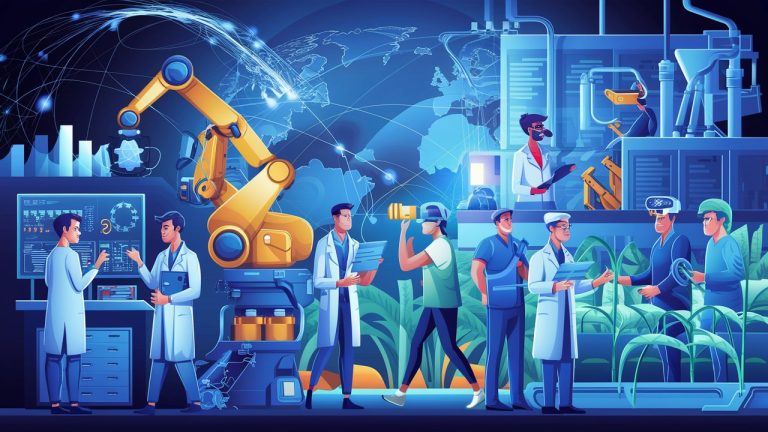
Technology is revolutionizing agriculture, making it more sustainable and efficient. Precision farming, vertical farming, and biotechnology are some of the innovations driving this change.
- Precision Farming: Using GPS technology, IoT sensors, and data analytics, farmers can optimize the use of water, fertilizers, and pesticides. This reduces waste and minimizes the environmental impact of farming practices.
- Vertical Farming: By growing crops in stacked layers indoors, vertical farming uses less land and water compared to traditional agriculture. LED lighting and controlled environments allow for year-round production, reducing the need for transportation and associated carbon emissions.
- Biotechnology: Genetically modified crops that are resistant to pests and diseases reduce the need for chemical pesticides. Additionally, crops can be engineered to be more nutritious and resilient to climate change.
4. Circular Economy
The concept of a circular economy aims to eliminate waste and promote the continual use of resources. Technology plays a vital role in making this vision a reality through recycling, upcycling, and sustainable design.
- Recycling Technology: Advanced recycling techniques, such as chemical recycling, can break down plastics into their original components, allowing them to be reused in new products. AI and robotics are also improving the efficiency of sorting and processing recyclable materials.
- Upcycling: Innovations in materials science are enabling the creation of new products from waste materials. For example, plastic waste can be transformed into building materials, and food waste can be converted into bioplastics or biofuels.
- Sustainable Design: 3D printing and digital manufacturing allow for the creation of products with minimal waste. Designers can create products that are easier to disassemble and recycle at the end of their life cycle.
5. Transportation
The transportation sector is a significant contributor to greenhouse gas emissions. However, technology is driving the shift towards more sustainable modes of transport.
- Electric Vehicles (EVs): Advances in battery technology are making electric vehicles more affordable and capable of longer ranges. EVs produce zero tailpipe emissions, reducing air pollution and greenhouse gas emissions.
- Public Transportation: Smart technology is improving the efficiency and appeal of public transportation. Real-time tracking, mobile ticketing, and autonomous buses are making public transport more convenient and accessible.
- Shared Mobility: Ride-sharing and bike-sharing platforms reduce the need for private car ownership. This leads to fewer vehicles on the road, reduced traffic congestion, and lower emissions.
6. Smart Cities
The concept of smart cities leverages technology to create urban environments that are more efficient, livable, and sustainable.
- Energy Management: Smart buildings use IoT sensors and automation to optimize energy use. This includes everything from lighting and HVAC systems to appliances and electronics.
- Waste Management: IoT-enabled waste bins can monitor fill levels and optimize collection routes, reducing fuel consumption and emissions from waste collection vehicles.
- Water Management: Smart water meters and leak detection systems help reduce water waste. Technology also enables the efficient treatment and recycling of wastewater.
7. Climate Monitoring and Mitigation
Technology is essential for monitoring the environment and mitigating the effects of climate change.
- Remote Sensing: Satellites and drones equipped with advanced sensors provide critical data on deforestation, glacier melt, and ocean health. This information is vital for understanding and responding to climate change.
- Carbon Capture and Storage (CCS): Technologies that capture carbon dioxide emissions from industrial processes and store them underground are becoming more viable. CCS has the potential to significantly reduce greenhouse gas emissions from heavy industries.
Conclusion
Technology is a powerful tool in the fight for sustainability. From renewable energy and smart grids to sustainable agriculture and smart cities, innovations across various sectors are driving positive environmental change. By embracing and investing in these technologies, we can create a more sustainable future for ourselves and generations to come.